


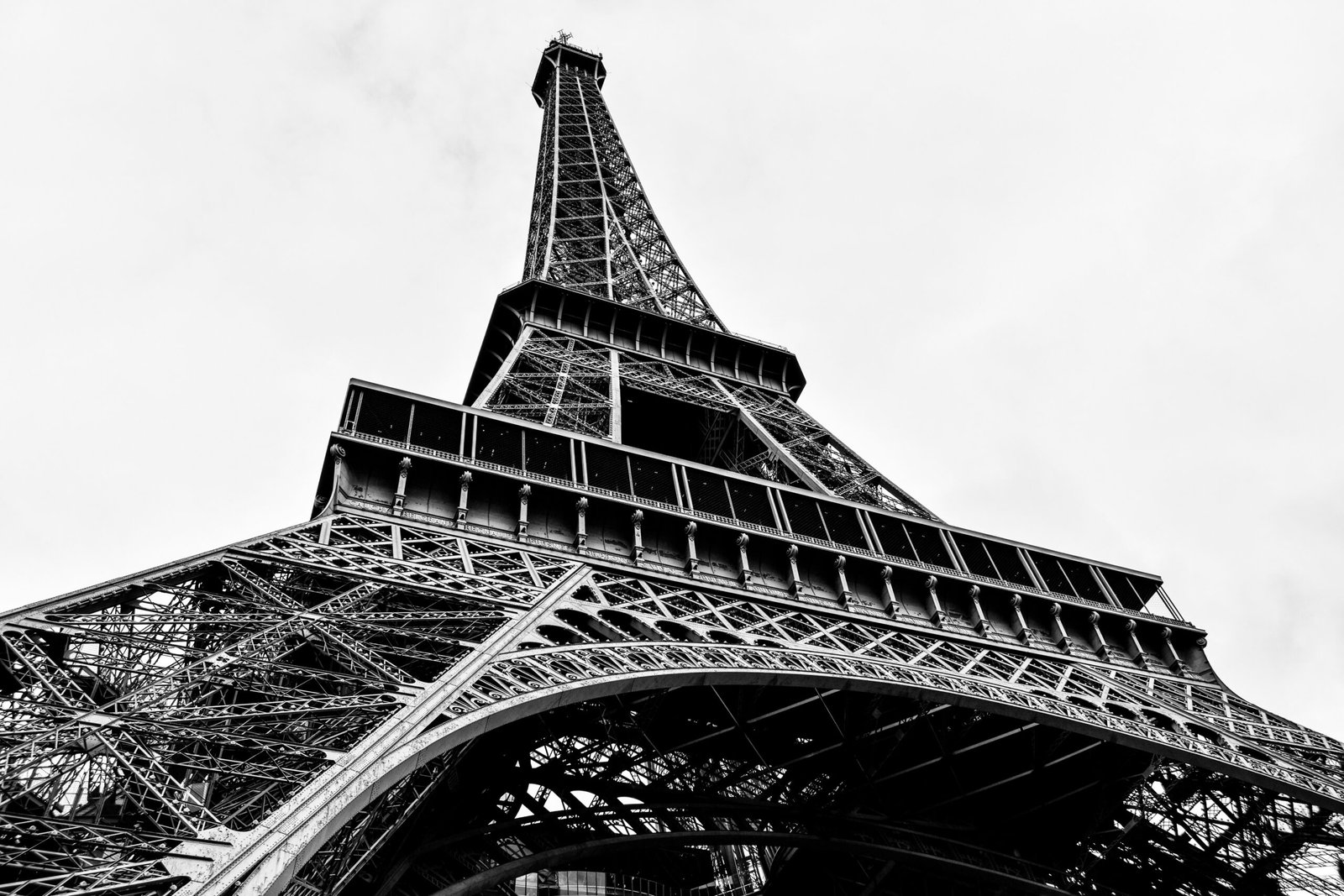
Eiffel Tower staff in Paris went on strike on Monday, shutting the French capital’s best-known landmark for the day, after employees accused management of sidelining and replacing female workers during a private visit by a Hindu delegation in Paris days earlier.
The Eiffel Tower strike followed complaints from the CGT trade union that workplace instructions had pushed women out of their posts to limit their contact with the visiting group. The Eiffel Tower controversy has since drawn a response from SETE, the company that operates the landmark, along with Paris officials and several national politicians.
READ MORE- Amazon Cargo Plane Crash at Miami International Airport Leaves 5 Dead
What happened at the Eiffel Tower?
Staff walked off the job on Monday morning, closing the Eiffel Tower to visitors for the entire day. The Eiffel Tower strike came after tensions built up over the weekend, following a private visit by a Hindu delegation of around 100 people the previous Saturday.
According to staff and management, employees were taken aback by how female colleagues had been treated during that visit. The CGT union said workplace instructions had led to women being sidelined, replaced and, in effect, made invisible because of their gender. Staff then organised the walkout to press management for answers and for assurances that it would not happen again.
Why did Eiffel Tower workers go on strike?
The eiffel-tower-strike-hindu-delegation-paris strike stemmed from a specific sequence of workplace instructions described in the CGT’s statement. Some female employees were told to leave their posts and move to other areas of the monument, while men were brought in to fill certain positions in their place.
The union said all female staff had also been instructed not to walk through or cross certain zones while the delegation was on site.
Staff union representative Diane Davoine told Reuters that women had been “asked to leave their places of work” so that men could take their place, and said the experience left many employees feeling humiliated.
She said management had since apologised to staff, but that tensions kept building over the weekend until employees organised Monday’s meeting and walkout, both to open a dialogue with management and to seek guarantees that women would not be treated this way again, a demand that came to define the Eiffel Tower strike.
What happened during the private visit?
The visit at the centre of the Eiffel Tower strike involved a Hindu delegation that toured the landmark privately on Saturday. According to SETE, the delegation had asked that the visit be arranged in a way that limited “interactions with women.”
The Hindu delegation in Paris arrived as part of a wider set of events that weekend. The visit coincided with a cultural boat procession on the Seine organised by the Bochasanwasi Akshar Purushottam Swaminarayan Sanstha, known as BAPS, a spiritual movement described as close to Indian Prime Minister Narendra Modi’s ruling conservative Hindu nationalist party. BAPS consecrated its first major temple in France, near Paris, on Sunday.
The reported request to limit interactions with women applied specifically to this delegation’s private visit. It was not attributed to Hinduism or to Hindu visitors more broadly.
READ MORE- Hayden Panettiere dies at 36: what we know about the Heroes and Nashville star’s death
Eiffel Tower controversy draws response from SETE
The Eiffel Tower strike prompted a swift response from SETE, the company that operates the landmark. It acknowledged that the conditions requested for the delegation’s visit should never have been agreed to, and said plainly that they should not have been accepted in the first place.
SETE said the arrangements were not in line with its values or with the principle of equality between men and women, and it said it would accept the consequences of what had happened.
SETE president Ariel Weil, who is also an elected Paris official, told AFP the company intended to establish exactly what took place and would draw whatever conclusions were necessary afterward.
Paris officials condemn treatment of female staff
Paris Mayor Emmanuel Grégoire voiced support for the striking workers in a post on X, describing the exclusion of female employees as unacceptable and out of step with the values the Eiffel Tower is meant to represent.
French Equality Minister Aurore Bergé also responded publicly on X, saying women should not be asked to erase themselves in France and that no religion or set of beliefs stands above the laws of the Republic.
Eiffel Tower closure affects visitors
The Eiffel Tower ordinarily draws close to seven million visitors a year, according to figures on its official website. Monday’s closure kept the monument shut to the public for the full day as the Eiffel Tower strike continued.
A staff representative said the tower was expected to reopen as normal on Tuesday, once the walkout had ended.
Investigation into the Eiffel Tower strike
SETE said it planned to examine the events surrounding the visit in detail. The company said it would work to establish what happened and draw the conclusions needed once the facts were clear. No further details about disciplinary steps or a timeline for the review have been announced.
What is known about the wider political reaction?
The Eiffel Tower controversy also drew comment from politicians outside the Paris city government. Far-right leader Marine Le Pen, an early frontrunner in next year’s presidential election, said France would never accept limits being placed on women’s presence.
Former prime minister Gabriel Attal, who is also seeking the presidency, said no culture, belief or religion could be allowed to dictate what a woman’s place should be in France.
Summary
The Eiffel Tower strike closed the Paris landmark for a full day on Monday after staff protested the treatment of female employees during a private visit by a Hindu delegation in Paris the previous weekend. The CGT union said women had been sidelined, replaced and restricted from certain areas, while SETE acknowledged that the conditions requested for the visit should not have been accepted. Paris officials and national politicians, including Grégoire, Bergé, Le Pen and Attal, criticised the exclusion of female staff, and SETE said it would investigate further before drawing conclusions. The tower was expected to reopen on Tuesday.